
23 March 2026
The Role Of A Social Prescriber
Many of the things that affect our health can’t be treated by medicine alone. Loneliness, grief, anxiety, housing worries, financial pressures and long-term conditions all have a huge impact on how we feel – physically and mentally. That’s where social prescribing comes in.
Social prescribing connects people to non-medical activities and support in their community – things like walking groups, art classes, gardening, cooking sessions, wellbeing courses, or advice services. GPs can refer patients to a trained link worker or social prescriber who helps them create a practical plan to improve their wellbeing.
Since 2019, millions of GP appointments have led to referrals, and research shows it increases people’s confidence in managing long-term conditions, reduces isolation and improves mental health, while also easing pressure on GP services.
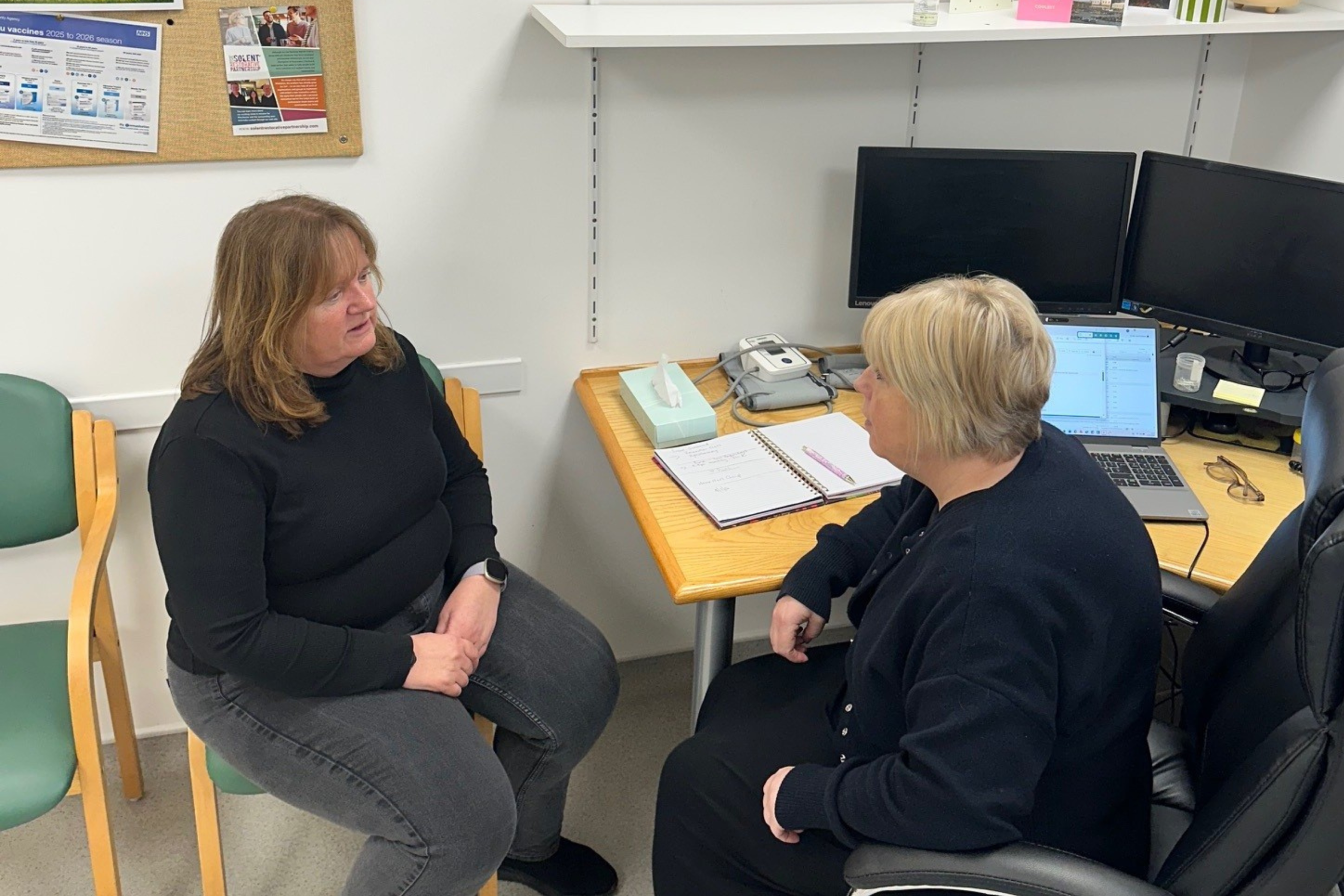
Based at St Paul’s and Friarsgate Surgeries in Winchester, Helen is one of those social prescribers. We spoke to her to learn more about her role.
What does your role as a social prescriber look like day to day?
“There isn’t really a typical day. I usually see around nine patients between 9.30am and 4pm, but every conversation is different.
“Patients can be referred by GPs, nurses, paramedics, Citizens Advice, the Department for Work and Pensions, community organisations and more. Or they can refer themselves.
“During consultations, I spend time understanding how someone is feeling and what’s going on in their life. I may use motivational interviewing skills to encourage the person to step out of their comfort zone and join a group. It might be loneliness, anxiety, depression, menopause symptoms, or grief, but it could also be housing worries or financial problems or many more subjects.. These things can have a huge impact on physical and mental health.
“Most patients have up to six sessions with me, although some need longer-term support if it takes time to find the right activities or services. There may also be waiting lists for the services.”
Who do you support?
“I see people from 18 or 19 years old right up into their 90s.
“The most common reasons for the year just gone are referrals for mental health and social isolation. For some, that might mean being signposted to the Wellbeing Centre in Winchester for courses on self-esteem, anxiety or low mood. Others might be connected to a key worker who can meet them in the community or services like I Talk (Talking Therapies). People with longer term conditions may be encouraged to try activities like seated yoga or tai chi at their local leisure centre/community centre.
“I see a lot of people with long-term conditions or chronic pain. Those can be harder, because you’re working out what support will actually make a difference and the patients may not be able to regularly attend groups, due to pain/poor mobility.”
How does social prescribing help GP surgeries?
“We sometimes bridge the gap between GPs and counselling services, offering support while patients are on the waiting list awaiting an appointment. GPs are incredibly busy. Sometimes a patient doesn’t necessarily need medication, they might need support, structure, or connection. Social prescribing gives them another route.
“By helping patients address underlying issues, we reduce pressure on GP appointments and allows doctors to focus on clinical care.
“There has been been a rise in referrals this year just passed, which shows people are recognising we are there, how to refer and from feedback from each patient seen at the end of their sessions, how valuable it is.”
Can you share an example of someone you’ve supported?
“One patient I worked with has severe OCD, ADHD and dyslexia. She struggled to leave the house and felt that everyone was staring at her when she did. Her OCD meant she couldn’t walk on certain areas of pavement, so getting to places could take quite a while.
“She wasn’t someone who could just join a group – that would have been overwhelming.
“I supported her with completing her Personal Independence Payment (PIP) form, by introducing plastic-coloured boxes which help stop the letters moving around on the page for people with dyslexia. I also used a flip chart and asked her to write one word/short sentences about how the mental health issues affected her daily living, this was to make completing the form less daunting and to get some idea on the impact the OCD, dyslexia and ADHD affecting her life. It worked well and she completed the form much more easily.
“She was also worried about finances but couldn’t face going out to the food bank because of the mental health condition of OCD and the affects it had on her while outdoors, so I arranged for the food bank to deliver to her home. I supported her to attend a Christmas party – which was a manageable step forward and helped her feel less isolated at Christmas.”
What are the biggest challenges as a social prescriber?
“There are some situations where it’s difficult. If someone is really struggling with their mental health, but the relevant services are either not able to take them on or there are nine month waiting lists, that can be hard on the patients and Social Prescriber.
“But the vast majority of outcomes are positive, particularly when people feel heard and understood, and go on to enjoy groups in the community or get the support they need.”
What would you say to someone unsure about social prescribing?
“I’d say it’s not about replacing your GP. If you’re unwell, you absolutely should see your doctor. But if what you’re struggling with is longer-term, or linked to life circumstances for example relationship breakdown, poor sleep, long term conditions, anxiety and depression, there may be other kinds of support that could really help.”
Community First plays a key role in social prescribing through our network of key workers, volunteers and voluntary groups across Hampshire. Community First services people may be referred to include:
– Health Walks in Fareham, Gosport, the New Forest and Winchester
– Havant Positive Pathways and Gosport Community Spirit, supporting people who face barriers to volunteering or work
– Gosport Befriending, connecting people over 55 with volunteers for companionship
– START, specialist counselling and support for survivors of sexual abuse or trauma
We meet regularly with members of the Hampshire and Isle of Wight Social Prescribing Network, which brings together over 550 professionals working to improve access to social prescribing across the county.
Find out more about the Hampshire & Isle of Wight Social Prescribing Network